
Introduction
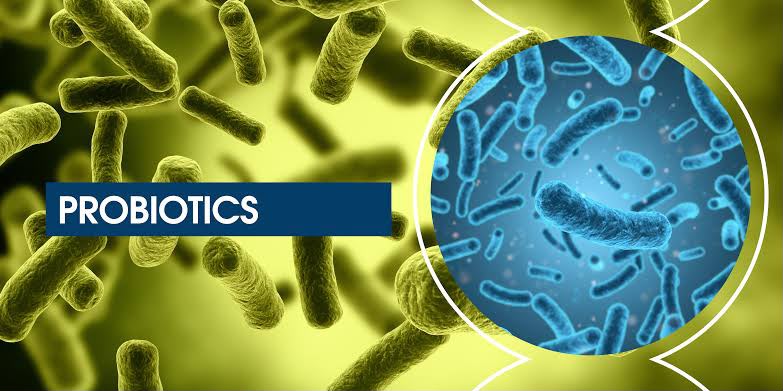
Probiotics are live microorganisms, mainly beneficial bacteria and some yeasts, that provide health
benefits when consumed in adequate amounts. They are naturally found in parts of the
gastrointestinal tract and are also available in certain foods and dietary supplements.
Common probiotic microorganisms include species of Lactobacillus, Bifidobacterium,
Saccharomyces, and Streptococcus.
How Probiotics Work
Probiotics help maintain a healthy balance of microorganisms in the gut. They may:
* Support the growth of beneficial bacteria.
* Compete with harmful microorganisms for nutrients and attachment sites.
* Produce substances that can inhibit certain harmful bacteria.
* Support normal intestinal barrier function.
* Influence the body’s immune response.
Benefits of Probiotics
Probiotics have been studied for several gastrointestinal conditions and may help:
1. Reduce antibiotic-associated diarrhea: Certain probiotic strains may lower the risk of diarrhea
associated with antibiotic use.
2. Support digestive health: They can help maintain a balanced intestinal microbiome.
3. Help manage some types of diarrhea: Certain strains may shorten the duration of acute infectious
diarrhea, particularly in some children.
4. Support vaginal health: Some Lactobacillus strains have been studied for their role in
maintaining the normal vaginal microbiota, although probiotics should not replace appropriate
treatment for vaginal infections.
5. Support immune function: The gut microbiome interacts closely with the immune system, and
probiotics may influence this interaction.
Sources of Probiotics
Probiotics can be obtained from fermented foods such as:
* Y oghurt containing live cultures
* Kefir
* Some fermented vegetables
* Certain fermented milk products
NOTE:They are also available as capsules, sachets, tablets, and other dietary supplements.
Probiotics and Antibiotics
Antibiotics can affect both harmful and beneficial bacteria in the gastrointestinal tract. Some
probiotics may help reduce antibiotic-associated diarrhea. However , not every probiotic works in
the same way. The specific strain and dose are important, so the product’s instructions should be
followed.
For some bacterial probiotics, taking the probiotic a few hours apart from an antibiotic may be
recommended. This does not necessarily apply to yeast-based probiotics such as Saccharomyces boulardii.
Possible Side Effects
Probiotics are generally well tolerated in healthy people. Some individuals may temporarily
experience:
* Gas
* Bloating
* Mild abdominal discomfort
Serious infections associated with probiotics are rare but have been reported, particularly in people
who are severely ill or immunocompromised. Such individuals should seek medical advice before
using probiotic supplements.
Conclusion
Probiotics play an important role in supporting a healthy gut microbiome and may provide benefits
in certain gastrointestinal conditions. However , their effects are strain-specific, meaning that one
probiotic product cannot automatically be assumed to provide the same benefits as another . Proper
product selection, appropriate use, and professional advice are important, especially when
probiotics are being used alongside medications.