Typhoid Fever

Typhoid fever is a life-threatening infection caused by the bacterium Salmonella Typhi. It is usually spread through contaminated food water. Once Salmonella Typhi bacteria are eaten or drunk, they multiply and spread into the bloodstream.... Read More | Share it now!

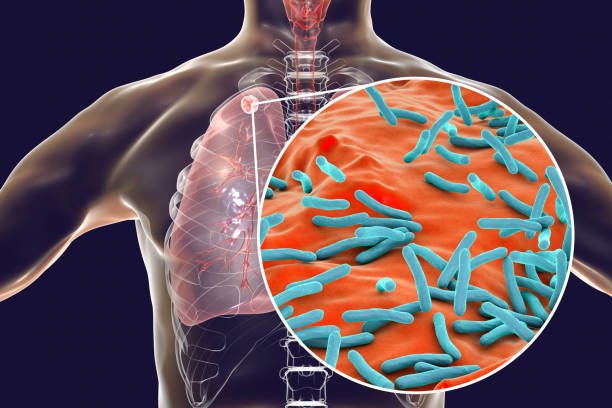
Tuberculosis

Tuberculosis is a potentially serious infectious bacterial disease that mainly affect the lungs.
The bacteria that cause TB are spread when an infected person coughs or sneezes.... Read More | Share it now!

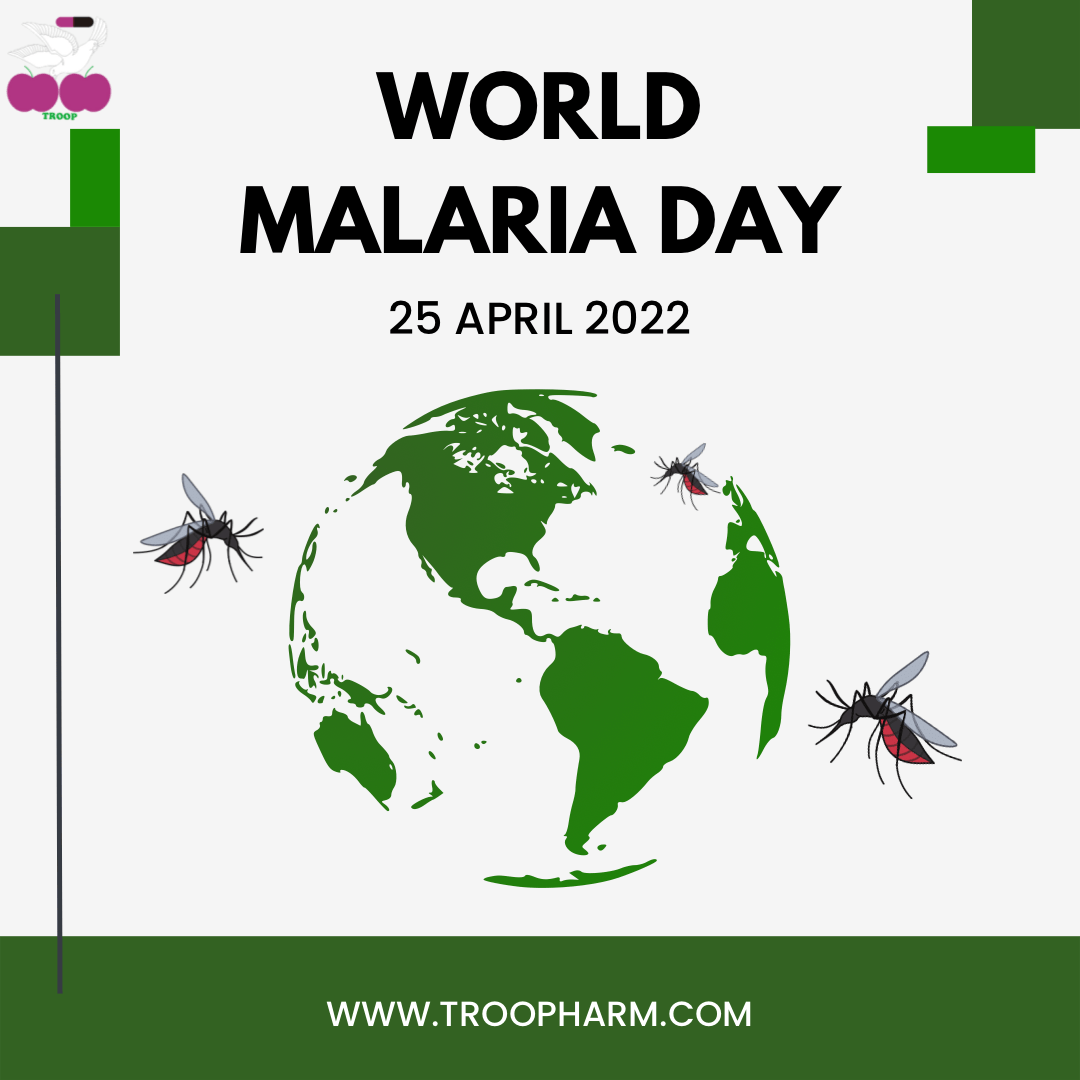
Happy World Malaria Day 2022

Malaria is a life-threatening disease. It’s typically transmitted through the bite of an infected Female Anopheles mosquito.
Infected mosquitoes carry the Plasmodium parasite, When this mosquito bites you, the parasite is released into your bloodstream.
Once the parasites are inside your body, they travel to the liver, where they mature. After several days, the mature parasites enter the bloodstream and begin to infect red blood cells.
Within 48 to 72 hours, the parasites inside the red blood cells multiply, causing the infected cells to burst open.
CAUSES OF MALARIA 
Malaria can occur if a mosquito infected with the Plasmodium parasite bites you.
There are four kinds of malaria parasites that can infect humans:
?Plasmodium vivax
?P. ovale
?P. malariae
?P. falciparum: causes a more severe form of the disease and those who contract this form of malaria have a higher risk of death. An infected mother can also pass the disease to her baby at birth. This is known as congenital malaria.
Malaria is transmitted by blood, so it can also be transmitted through:
?an organ transplant
?a transfusion
?use of shared needles or syringes
The parasites continue to infect red blood cells, resulting in symptoms that occur in cycles that last two to three days at a time.
SYMPTOMS OF MALARIA 
?shaking chills that can range from moderate to severe
?high fever
?profuse sweating
?headache
?nausea
?vomiting
?abdominal pain
?diarrhea
?anemia
?muscle pain
?convulsions
?coma
?bloody stools
TREATMENT 
Antimalarial drugs work by killing the parasite present in the affected red blood cells.
There are several antimalarial drugs that differ in their structure with each working uniquely to kill the parasite.
?Artemether/lumefantrine: (Coartem) Inhibits nucleic acid and protein synthesis and the parasite through endoperoxide or possibly by inhibiting beta-hematin formation.
?Artesunate: Contains endoperoxide bridge activated by heme iron and leads to oxidative stress; it inhibits protein and nucleic acid synthesis and ultrastructural changes and reduces parasite growth and survival.
?Atovaquone: Inhibits the electron transport chain at cytochrome bc1 complex and collapses parasite mitochondrial membrane in Plasmodium.
?Atovaquone/proguanil: Disrupts electron transport and collapses the mitochondria, whereas proguanil inhibits enzyme dihydrofolate reductase essential for reproduction of the parasite.
?Chloroquine: Acts against erythrocytic forms of Plasmodium; however, the exact mechanism of action is unknown.
?Hydroxychloroquine sulfate: Exact action against Plasmodium is unknown. As it is a weak base, it may affect acid vesicles of the parasite and inhibit polymerization of heme. It may also inhibit other essential enzymes.
?Mefloquine: Structural analog of quinine; although its exact mechanism is unknown, it kills schizonts in the blood. This may increase intravesicular pH in parasites.
?Pyrimethamine: Folic acid antagonist, selectively inhibiting plasmodial form of dihydrofolate reductase enzyme and reducing the production of folic acid required for nucleic acid synthesis in the parasite.
?Quinidine: Builds up in the food vacuole of the parasite and forms a complex with heme and starves the Plasmodium to death.
?Quinine: Although the mechanism of action of this drug is unknown; quinine may disrupt Plasmodium DNA transcription/replication and interferes with the digestion of hemoglobin. This leads to starvation and death of the parasite.
PREVENTION OF MALARIA 
?being aware of the risk
?preventing mosquito bites, for example, by using mosquito net, insect repellant and covering the arms and legs
?taking antimalarial tablets when traveling to an area where malaria occurs
?getting a prompt diagnosis and treatment if someone thinks they may have the disease
?administering the vaccine to children who live in places where malaria is endemic
?using a LONG LASTING INSECTICIDE TREATED NET
We at Troop Pharmaceuticals Ltd, have our Long Lasting Insecticide Treated Nets available in various sizes from the smallest bed to the king sized bed.

If mosquitoes trouble you at night, you should seriously think about using our mosquito net. It is effective in keeping mosquitoes away and it’s safe!... Read More | Share it now!

Meningitis

Meningitis is an inflammation (swelling) of the protective membranes covering the brain and spinal cord.
According to WHO, Meningitis is a serious infection of the meninges, the membranes covering the brain and spinal cord. It is a devastating disease and remains a major public health challenge. The disease can be caused by many different pathogens including bacteria, fungi or viruses, but the highest global burden is seen with bacterial meningitis.... Read More | Share it now!

Gonorrhea

Gonorrhea is an infection caused by a sexually transmitted bacterium that infects both males and females. Gonorrhea most often affects the urethra, rectum or throat.... Read More | Share it now!

Benefits of Turmeric & Cinnamon

Cinnamon and turmeric have been used for thousands of years in cooking and traditional medicine — long before they lent their flavor to such popular coffee shop treats as golden milk. While evidence is limited on possible health benefits for these spices, they may have certain helpful properties.... Read More | Share it now!

Whooping Cough

What Is Whooping Cough?
Whooping cough (also known as pertussis) is a highly contagious respiratory tract infection.
Whooping Cough Symptoms
At first, whooping cough has the same symptoms as the average cold:
• Mild coughing
• Sneezing
• Runny nose
• Low fever (below 102 F)
You may also have diarrhea early on.
After about 7-10 days, the cough turns into “coughing spells” that end with a whooping sound as the person tries to breathe in air.
Because the cough is dry and doesn’t produce mucus, these spells can last up to 1 minute. Sometimes it can cause your face to briefly turn red or purple.
Most people with whooping cough have coughing spells, but not everyone does.
Infants may not make the whooping sound or even cough, but they might gasp for air or try to catch their breath during these spells. Some may vomit.
Sometimes adults with the condition just have a cough that won’t go away.
Causes
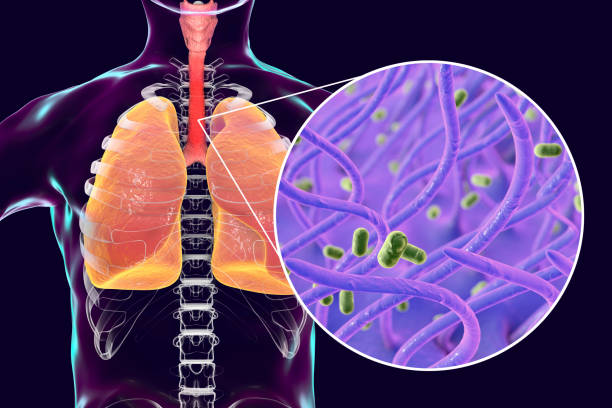
Whooping cough is caused by a type of bacteria called Bordetella pertussis. When an infected person coughs or sneezes, tiny germ-laden droplets are sprayed into the air and breathed into the lungs of anyone who happens to be nearby.
When the bacteria get into your airways, they attach to the tiny hairs in the linings of the lungs. The bacteria cause swelling and inflammation, which lead to a dry, long-lasting cough and other cold-like symptoms.
Whooping Cough complications
Whooping cough is dangerous in babies, especially ones younger than 6 months old, because it can keep them from getting the oxygen they need. This can cause:
• Brain damage or bleeding on the brain
• Pneumonia
• Seizures
• Apnea
• Convulsions
In teens and adults, whooping cough can lead to pneumonia. The severe coughing can also cause:
• Abdominal hernias
• Broken blood vessels
• Bruised ribs
• Trouble controlling when you pee
• Trouble sleeping.
Whooping Cough Diagnosis
Because symptoms of whooping cough are a lot like those caused by a cold, the flu, or bronchitis, it can be hard to diagnose it early on. Your doctor may be able to tell that you have it by the sound of your cough, but tests can confirm it.
?Nose or throat culture. A simple swab of the area where your nose and throat meet can be tested for the bacteria that causes whooping cough.
?Blood test. A high white blood cell count is a sign that your body is fighting off an infection, but it doesn’t necessarily mean it’s whooping cough.
?Chest X-ray. This can show if you have inflammation.
Treatment and Home Remedies
If you find out you have whooping cough early on, antibiotics can help cut down coughing and other symptoms.
They can also help prevent the infection from spreading to others. But most people are diagnosed too late for antibiotics to work well.
Don’t use over-the-counter cough medicines, cough suppressants, or expectorants (medicines that make you cough up mucus) to treat whooping cough. They don’t work.
You can do a few things to feel better and recover faster:
?Get lots of rest. This can give your body more strength to fight the illness.
?Eat small meals as often as you feel up to it.
?Clean air. Keeping the air around you free of dust, smoke, and other irritants can help soothe coughing.
?Drink fluids. Stay hydrated by drinking lots of water or juice.
Whooping Cough Prevention
The DTP vaccine can help protect children from whooping cough. Infants should get a dose every other month for the first 6 months, another between 15 and 18 months, then one last time between ages 4 and 6.
Older children and adults need the DTP vaccine and a booster every 10 years because the vaccine can weaken over time. The best age for kids to get it is between 11 and 12. Adults who’ve never had the vaccine can get it any time.
Pregnant women should get a booster to help protect their newborn.
Another important key to prevention is to protect the people around you. If someone in your household has whooping cough, make sure they cover their mouth or cough into their elbow to keep from spreading the bacteria. Wash hands often, and consider having them wear a mask when they’re near others
In conclusion, whooping cough spreads easily, but vaccines like DTP (diphtheria, tetanus, and pertussis)  can help prevent it in children and adults.
Help protect your child by making sure they and any adult who’s around them often get vaccinated.
With treatment, you should slowly start to feel better after about 4 weeks.
Written by: Chinonye Machie
... Read More | Share it now!

Add to cart