Gonorrhea

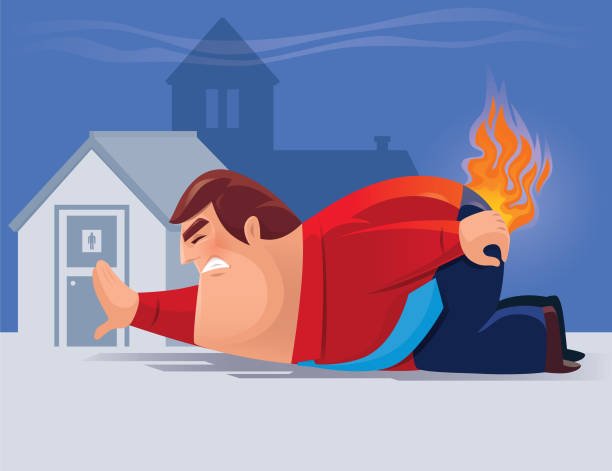
Gonorrhea is an infection caused by a sexually transmitted bacterium that infects both males and females. Gonorrhea most often affects the urethra, rectum or throat.... Read More | Share it now!

Whooping Cough

What Is Whooping Cough?
Whooping cough (also known as pertussis) is a highly contagious respiratory tract infection.
Whooping Cough Symptoms
At first, whooping cough has the same symptoms as the average cold:
• Mild coughing
• Sneezing
• Runny nose
• Low fever (below 102 F)
You may also have diarrhea early on.
After about 7-10 days, the cough turns into “coughing spells” that end with a whooping sound as the person tries to breathe in air.
Because the cough is dry and doesn’t produce mucus, these spells can last up to 1 minute. Sometimes it can cause your face to briefly turn red or purple.
Most people with whooping cough have coughing spells, but not everyone does.
Infants may not make the whooping sound or even cough, but they might gasp for air or try to catch their breath during these spells. Some may vomit.
Sometimes adults with the condition just have a cough that won’t go away.
Causes
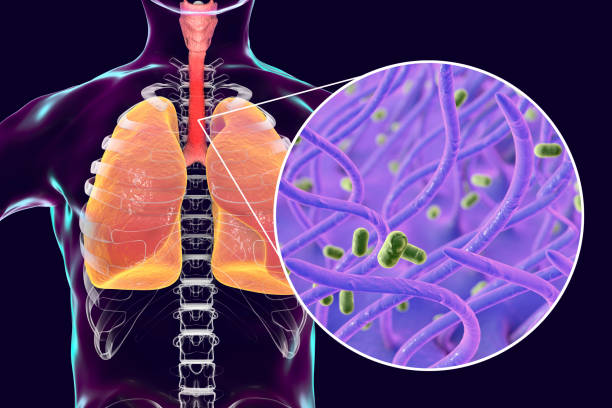
Whooping cough is caused by a type of bacteria called Bordetella pertussis. When an infected person coughs or sneezes, tiny germ-laden droplets are sprayed into the air and breathed into the lungs of anyone who happens to be nearby.
When the bacteria get into your airways, they attach to the tiny hairs in the linings of the lungs. The bacteria cause swelling and inflammation, which lead to a dry, long-lasting cough and other cold-like symptoms.
Whooping Cough complications
Whooping cough is dangerous in babies, especially ones younger than 6 months old, because it can keep them from getting the oxygen they need. This can cause:
• Brain damage or bleeding on the brain
• Pneumonia
• Seizures
• Apnea
• Convulsions
In teens and adults, whooping cough can lead to pneumonia. The severe coughing can also cause:
• Abdominal hernias
• Broken blood vessels
• Bruised ribs
• Trouble controlling when you pee
• Trouble sleeping.
Whooping Cough Diagnosis
Because symptoms of whooping cough are a lot like those caused by a cold, the flu, or bronchitis, it can be hard to diagnose it early on. Your doctor may be able to tell that you have it by the sound of your cough, but tests can confirm it.
?Nose or throat culture. A simple swab of the area where your nose and throat meet can be tested for the bacteria that causes whooping cough.
?Blood test. A high white blood cell count is a sign that your body is fighting off an infection, but it doesn’t necessarily mean it’s whooping cough.
?Chest X-ray. This can show if you have inflammation.
Treatment and Home Remedies
If you find out you have whooping cough early on, antibiotics can help cut down coughing and other symptoms.
They can also help prevent the infection from spreading to others. But most people are diagnosed too late for antibiotics to work well.
Don’t use over-the-counter cough medicines, cough suppressants, or expectorants (medicines that make you cough up mucus) to treat whooping cough. They don’t work.
You can do a few things to feel better and recover faster:
?Get lots of rest. This can give your body more strength to fight the illness.
?Eat small meals as often as you feel up to it.
?Clean air. Keeping the air around you free of dust, smoke, and other irritants can help soothe coughing.
?Drink fluids. Stay hydrated by drinking lots of water or juice.
Whooping Cough Prevention
The DTP vaccine can help protect children from whooping cough. Infants should get a dose every other month for the first 6 months, another between 15 and 18 months, then one last time between ages 4 and 6.
Older children and adults need the DTP vaccine and a booster every 10 years because the vaccine can weaken over time. The best age for kids to get it is between 11 and 12. Adults who’ve never had the vaccine can get it any time.
Pregnant women should get a booster to help protect their newborn.
Another important key to prevention is to protect the people around you. If someone in your household has whooping cough, make sure they cover their mouth or cough into their elbow to keep from spreading the bacteria. Wash hands often, and consider having them wear a mask when they’re near others
In conclusion, whooping cough spreads easily, but vaccines like DTP (diphtheria, tetanus, and pertussis)  can help prevent it in children and adults.
Help protect your child by making sure they and any adult who’s around them often get vaccinated.
With treatment, you should slowly start to feel better after about 4 weeks.
Written by: Chinonye Machie
... Read More | Share it now!

Sore Throat

A sore throat is a painful, dry, or scratchy feeling in the throat.
Most sore throats are caused by infections, or by environmental factors like dry air. Although a sore throat can be uncomfortable, it’ll usually go away on its own.
TYPES OF SORE THROAT 
Sore throats are divided into types, based on the part of the throat they affect:
– Pharyngitis affects the area right behind the mouth.
– Tonsillitis is swelling and redness of the tonsils, the soft tissue in the back of the mouth.
– Laryngitis is swelling and redness of the voice box, or larynx.
CAUSES OF SORE THROAT 
– Viral infection
– Colds
– Influenza (flu)
– Mumps
– Chickenpox
?Gastroesophageal reflux disease (GERD)
Acid reflux happens when stomach acid travels up into the esophagus, irritating its lining.
This irritation can lead to a sore throat, a dry cough, and wheezing. It can also cause heartburn, a bitter taste in the mouth, regurgitation, indigestion, and difficulty swallowing.
?Smoke, chemicals, and other irritants
Outdoor air pollution and indoor pollution such as tobacco smoke or chemicals can cause a chronic sore throat. Chewing tobacco, drinking alcohol and eating spicy foods also can irritate your throat.
?Dry air
Dry indoor air can make your throat feel rough and scratchy. Breathing through your mouth often because of chronic nasal congestion also can cause a dry, sore throat.
?Allergies
Allergies to pet dander, molds, dust and pollen can cause a sore throat. The problem may be complicated by postnasal drip, which can irritate and inflame the throat.
?Bacterial infections (Streptococcus bacteria)
SYMPTOMS OF SORE THROAT 
The symptoms of a sore throat can vary depending on what caused it. A sore throat can feel:
?scratchy
?burning
?raw
?dry
?tender
?irritated
HOME REMEDIES FOR SORE THROAT 
?Gargle with salt water
Gargling with warm salt water can help soothe a scratchy throat. The salt pulls the mucus out of your swollen, inflamed tissue and helps relieve the discomfort.
? Try OTC pain relief
Viruses cause most sore throats. Viruses can’t be treated with antibiotics, which only kill bacteria. Instead, the virus has to run its course in your body.
OTC nonsteroidal anti-inflammatory medicines (NSAIDs) such as ibuprofen or naproxen can reduce inflammation and swelling in your throat. They can also relieve soreness or scratchiness.
?Enjoy a drop of honey
Warm tea (green tea)
that is sweetened with honey can help soothe your irritated throat. Tea also keeps you hydrated, which is another important step in treating a sore throat. Brew up a cup next time a sore throat starts to tickle.
?Stay hydrated
Staying hydrated is an important part of treating a sore throat. When you’re dehydrated, your body can’t produce enough saliva and mucus to keep your throat naturally lubricated. This will make the swelling and inflammation worse.
WHAT TO AVOID WITH A SORE THROAT
While all of these remedies have been shown to ease sore throat pain, there are some items you may want to avoid.
If you have a sore throat, try avoiding any foods that may be difficult to swallow. We suggest sticking to soups and soft foods until the sore throat pain has resolved.
Written by: Josephine Wuraola 
... Read More | Share it now!

World Health Day: Our Planet, Our Health

OUR PLANET OUR HEALTH!
Human life is well-adapted to our planet. A healthy environment is essential to optimal health and well-being. Conversely, disease and early death are often due to environmental agents called pathogens, both biological and physicochemical.
Climate change, heatwaves, floods, land degradation, and the loss of biodiversity also threaten human health in a variety of ways, both directly and indirectly.
Pollution causes or worsens respiratory illness, cancer, accidents, and deaths. Lots of early deaths occur because of air pollution, outdoor and indoor. Polluted drinking water causes lots of deaths.
Shortages of safe water, as well as flooding, have led to the displacement of people.
The rising temperatures predispose to heat-related morbidity like heat cramps, heat exhaustion, and strokes. Productivity goes down, food poisoning increases; kidney disease risk increases, as do crime rates and sleeplessness. Cardiovascular disease worsens as does the number of workplace accidents.
Changes in agricultural practices and clearing land for farming are often associated with outbreaks of debilitating disease. These include malaria, which infect millions of people every year, respectively. Other illnesses are transmitted via a contaminated water system.
Millions of children and babies die of diarrheal diseases from contamination of their food or water. It is estimated that over a million die of malaria every year, worldwide, among over 260 million cases. Most of these are children less than five years old.
ENVIRONMENTAL VS POPULATION HEALTH 
It is widely accepted that a huge explosion occurred in population growth around the world, whereby the population increased over five-fold.
This has put enormous demands on the supply chain for food, water, clothing, education, jobs, and medical/social care. The resulting shortfalls, caused largely by human greed rather than actual shortages of resources, have reduced living conditions to critical levels in satellite towns and cities. Poor sanitation and hygiene facilities, lack of drinking water, and noise pollution are just some of the vicious cycles taking place as a result.
Environmental Degradation
Global environmental issues that directly impact health include acid rain; ozone depletion; greenhouse gas emission; hazardous waste disposal; ocean degradation; and endangerment of biodiversity.
Industrial Pollution
Industrialization is associated with the contamination of air, water, and land by multiple pollutants that have toxic effects on the lungs, brain, bone marrow, nerves, kidneys, and skin. Industrial accidents lead to the release of dramatically large amounts of pollutants into the environment, killing plant and animal life on a large scale.
Acid Rain
Fossil fuel combustion products released high into the atmosphere via tall chimneys change into acids formed from sulfur and nitrogen oxides, to fall as acid rain or snow, destroying forests and acidifying lakes and soils. The acids may leach metals from pipes, soils, and solder, all of which could end up in human drinking water and food.
Ozone Depletion
The ozone layer in the stratosphere is undergoing damage from various chemicals such as chlorofluorocarbons (CFCs) in aerosols, refrigerants, halons, and organic solvents of various types. This could allow ultraviolet radiation to reach the earth’s surface at higher levels, predisposing to skin cancer, cataracts of the eye lens, and general aging.
Air Pollution
Fossil fuels represent the greatest source of air pollution, almost three-quarters of its use being in developed countries, who use it for power, industrial processes, transport, and heating homes. Coal plus biomass combustion contribute a major chunk of human disease due to energy production. This is because the latter is used to heat and cook by half of the world’s population. Household air pollution is severe in most low-income homes.
Hazardous Waste
The dumping of hazardous wastes from highly industrialized countries in developing countries is another issue that could endanger the health of those living near the site of disposal, especially as this is unlikely to be properly regulated in such regions. Run-off from such heavily polluted dumps that can pollute rivers, lakes, and oceans.
Ocean Pollution
Ocean pollution occurs most heavily near the coast, especially with large bays and seas. Both biological and chemical pollution can occur, contaminating and eventually killing off fish and beach species. This can cause seafood poisoning and epidemics of food-borne diseases.
Sound Policy is Fundamental
A failure to use sustainable development policies, in growing enough food, manufacturing goods, disposing of waste, obtaining raw materials, or transporting people and goods, leads to the breakdown of natural systems. This endangers both current health and survival, as well as leaving behind an increasingly fragile and toxic world to future generations.
“There is a powerful synergy between health, environmental protection, and sustainable resource use. Individuals and societies who share the responsibility for achieving a healthy environment and managing their resources sustainably become partners in ensuring that global cycles and systems remain unimpaired.”
Happy World Health Day from us at Troop Pharmaceuticals Ltd!!
You take care of your planet and you take care of your health!! ?
Written by: Josephine Wuraola
... Read More | Share it now!

Iron Deficiency Anemia

Iron deficiency occurs when there is not enough healthy red blood cells to carry oxygen to the body organs.
Hemoglobin is the main protein in the red blood cell. It carries oxygen and deliver it throughout the body. If one has anemia, the hemoglobin level will be low, and when that happens, organs may not get adequate oxygen.

As the name implies, iron deficiency anemia is due to insufficient iron. Without enough iron, your body can’t produce enough of a substance in red blood cells that enables them to carry oxygen (hemoglobin). As a result, iron deficiency anemia may leave you tired and short of breath.... Read More | Share it now!

Hemorrhoids

Hemorrhoids, also known as piles, are swollen veins in the lower part of the anus and rectum. When the walls of these vessels stretch, they can become irritated.
Although hemorrhoids can sometimes be painful, they often get better on their own. Lifestyle changes, such as eating more fiber and exercising, can help relieve symptoms and lower the risk of future hemorrhoids.
Symptoms
✨ bleeding
✨ itching or irritation in the anal area
✨ discomfort, pain, or soreness around the anus
lumps and swelling in the anal region.
✨ dilation, or bulging, of a vein, which may or may not be painful, depending on where it occurs. Symptoms can be uncomfortable or alarming, but they often improve on their own after a few days.
Causes
? Pregnancy : During pregnancy, tissues in the rectum become weaker, and hormones cause veins to relax and swell. Hemorrhoids may occur in up to 35% pregnant women.
? Aging : Hemorrhoids are most common among adults over age 50. However, young people and children can also get them.
? Diarrhea : Hemorrhoids can occur after cases of chronic diarrhea.
? Chronic constipation : Straining to move stool puts additional pressure on the walls of the blood vessels, which may result in hemorrhoids.
? Sitting for too long: Spending a long time in a seated position, especially on the toilet, can cause hemorrhoids.
? Diet : Eating low fiber foods may contribute to hemorrhoids.
? Heavy lifting : Repeatedly lifting heavy objects can lead to hemorrhoids.
? Anal intercourse : This can cause new hemorrhoids or worsen existing ones.
? Weight : being overweight gives  a higher chance of hemorrhoids. This may result from increased pressure within the abdomen.
? Genetics : Some people inherit a tendency to develop hemorrhoids
Types
Hemorrhoids can be either internal or external. Healthcare professionals use a grading system to describe internal hemorrhoids based on whether they remain in the rectum or protrude out of the anus.
Internal hemorrhoids
Internal hemorrhoids are located inside the rectum and are not visible from the outside. They are typically painless. Often, rectal bleeding is the first sign of internal hemorrhoids.
If an internal hemorrhoid protrudes through the anus, it’s called a prolapsed hemorrhoid. This condition may be due to a weakening of the muscles around the anus and can be painful.
Healthcare professionals grade internal hemorrhoids from 1 to 4, depending on the degree of prolapse:
?️ Grade 1 hemorrhoids remain in the rectum without prolapsing (protruding out of the anus).
?️ Grade 2 hemorrhoids prolapse when a person passes stool, then return inside on their own.
?️Grade 3 hemorrhoids are prolapsed and must be pushed back in.
?️Grade 4 hemorrhoids are prolapsed and cannot be pushed back in.
External hemorrhoids
External hemorrhoids occur in the skin around the anus and are therefore visible.
There are more sensitive nerves in this part of the body, so external hemorrhoids can be very painful. Straining when passing stool may cause external or internal hemorrhoids to bleed.
Treatments
In most cases, simple measures will alleviate symptoms while hemorrhoids heal on their own. However, medication or surgery may be necessary in certain cases.
Home treatments
The following home treatments may help relieve symptoms of hemorrhoids:
?Topical creams and ointments:
?Over-the-counter (OTC) creams for external hemorrhoids can help reduce itching, discomfort, and swelling.
?Fiber supplements: Taking supplements like methylcellulose (Citrucel),  psyllium (Metamucil) can reduce constipation and help with hemorrhoids.
?Ice packs and cold compresses: Applying these to the affected area may help ease pain.
?A sitz bath: A sitz bath involves sitting in a tub of shallow, warm water. Taking one a few times each day may help reduce hemorrhoid pain.
? Analgesics: Painkillers such as aspirin, ibuprofen, and acetaminophen may help alleviate pain from hemorrhoids.
Medications
Hemorrhoid medications come in various forms, including suppositories, ointments, and pads. A person can usually buy them over the counter.
Several common medications include:
Zinc oxide: Creams containing zinc oxide may help with irritation. One ointment, Calmoseptine, combines zinc oxide and menthol. It may be effective for relieving anal itching, which can be related to hemorrhoids.
Witch hazel: Experts say that astringents, such as witch hazel, may provide temporary relief.
Steroid cream: Corticosteroids such as hydrocortisone are commonly used to treat hemorrhoids. They can help reduce inflammation, but they may damage the skin.
A person should talk with a doctor if symptoms do not improve after using these medications for a week.


... Read More | Share it now!

Oral Thrush

What is thrush?
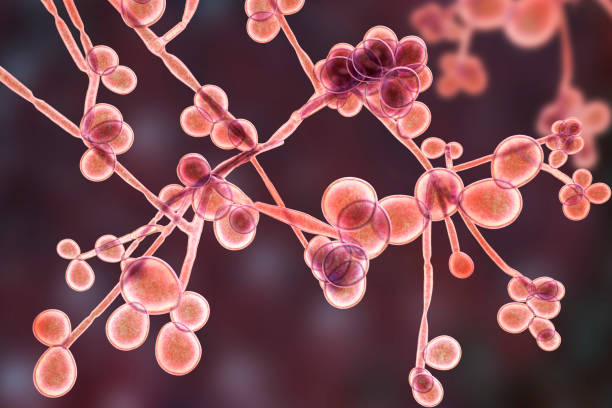
Thrush is a fungal (yeast) infection that can grow in your mouth, throat and other parts of your body. In your mouth thrush appears as a growth that can look like cottage cheese – white, raised lesions on your tongue and cheeks. The condition can quickly become irritated and cause mouth pain and redness.
CAUSES
Thrush is caused by the overgrowth of a type of fungus called Candida. Mouth and throat thrush is called *oropharyngeal candidiasis. A thrush infection is annoying but it’s generally a minor problem for healthy people and will clear up in a few weeks with anti-fungal treatment.
While thrush can affect anyone, babies under 1 month old, toddlers, older adults and people with weakened immune systems (where symptoms can be harder to control) are at more risk. Thrush in the esophagus (swallowing tube) is one of the more common infections in people with HIV/AIDS.
Thrush can be contagious to those at risk (like people with weakened immune systems or are taking certain medications). In healthy people, it’s unusual for it to be passed on through kissing or other close contacts. In most cases, thrush isn’t considered particularly contagious but it can be transmitted.
If you’re worried about getting thrush from another person who has it, avoid coming into contact with their saliva (spit). It’s smart to wash your hands as often as possible if you’re near someone who has thrush.
Why is thrush a concern during breastfeeding?
Because infants are more at risk, getting or giving thrush during breastfeeding is a worry with many moms. It’s a common breastfeeding problem, and in some cases treatment can be tricky.
Babies with thrush can pass the infection to their mothers. When the infection in a baby’s mouth leads to sore throat and pain, they cry and are irritable during feeding. Mothers (especially if they’re taking antibiotics) may also develop thrush infections around the breasts and nipples and transmit it to their babies.
When both mom and baby develop thrush they should be treated for the condition at the same time to prevent an ongoing exchange of the infection.
DIAGNOSIS
How is thrush diagnosed?
Your health care provider can usually tell right away if you have thrush by looking for the distinctive white lesions on your mouth, tongue or checks. Lightly brushing the lesions away reveals a reddened, tender area that may bleed slightly. A microscopic exam of tissue from a lesion will confirm whether or not you have thrush (but a physical exam is not always necessary).
If thrush extends into your esophagus other tests may be needed. Your health care provider might:
– Take a throat culture (swabbing the back of your throat with sterile cotton and studying the microorganisms under a microscope).
– Perform an endoscopy of your esophagus, stomach, and small intestine (examining the lining of these body areas with a lighted camera mounted on the tip of a tube passed through these areas).
– Take X-rays of your esophagus.
MANAGEMENT AND TREATMENT
How is thrush treated?
Healthy kids and adults can be effectively treated for thrush. But the symptoms may be more severe and hard to treat in those with weakened immune systems.
Anti-fungal medications (like nystatin) are often prescribed to treat thrush. These medicines are available in tablets, lozenges or liquids that are usually “swished” around in your mouth before being swallowed. Usually, you need to take these medications for 10 to 14 days. Your health care provider will have a specific treatment approach designed for you based on your age and the cause of the infection.
The presence of Candida infection can be a symptom of other medical problems. Be sure to talk to your health care provider to look for these and set up a treatment plan if needed.
PREVENTION
How can thrush be prevented?
You can do these things to help you avoid a case of thrush:
– Follow good oral hygiene practices: Brush your teeth at least twice a day and floss at least once a day.
– Avoid certain mouthwashes or sprays
– Get regular dental checkups. Especially if you have diabetes or wear dentures. Even if you’re healthy and don’t have dental issues, you should get your teeth cleaned by your dentist every 6 months.
– Treat chronic health issues. A condition such as HIV or diabetes can disturb the balance of bacteria in your body and lead to thrush. If you’re taking medications for an ongoing health condition, take them regularly, as directed.
– Don’t overuse mouthwashes or sprays. Rinse with an antibacterial mouthwash once or twice a day to help keep your teeth and gums healthy. Using any more than that may upset the normal balance of bacteria in your mouth.
– Clean inhalers after using them. If you have a condition like asthma or chronic obstructive pulmonary disease (COPD), clean your inhalers after each use to kill germs.
– Limit foods that contain sugar and yeast. Bread, beer, and wine will cause extra yeast growth.
– If you smoke, quit. Ask your doctor or dentist about ways to help you kick the habit.

Oral Thrush Outlook... Read More | Share it now!

Measles and Its Treatment

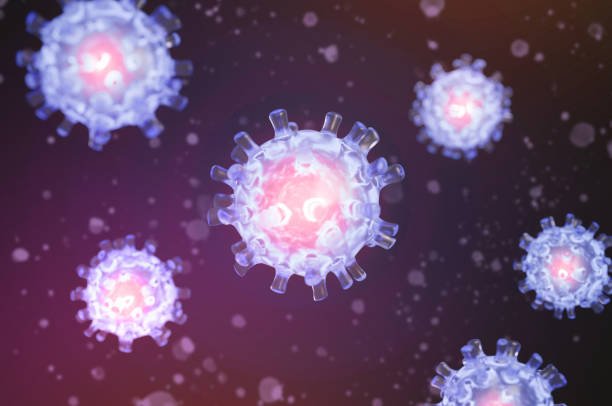
Measles is a viral infection that is serious for small children but is easily preventable by a vaccine. The disease spreads through the air by respiratory droplets produced from coughing or sneezing.... Read More | Share it now!

Migraine

A migraine is a strong headache that often comes with nausea, vomiting, and sensitivity to light. It can last hours or days.
Migraine Symptoms
Migraines are different in everyone. In many people, they happen in stages. These stages may include:
1) Prodrome
Hours or days before a headache, about 60% of people who have migraines notice symptoms like:
?Being sensitive to light, sound, or smell
?Fatigue
?Food cravings or lack of appetite
?Mood changes
?Severe thirst
?Bloating
?Constipation or diarrhea
2) Aura
These symptoms stem from your nervous system and often involve your vision. They usually start gradually, over a 5- to 20-minute period, and last less than an hour. You may:
See
?Black dots
?Wavy lines
?Flashes of light
?Things that aren’t there (hallucinations)
?Have tunnel vision
?Not be able to see at all
?Have tingling or numbness on one side of your body
?Not be able to speak clearly
?Have a heavy feeling in your arms and legs
?Have ringing in your ears
?Notice changes in smell, taste, or touch.
 3) Attack
A migraine headache often begins as a dull ache and grows into throbbing pain. It usually gets worse during physical activity. The pain can move from one side of your head to the other, can be in the front of your head, or can feel like it’s affecting your entire head. About 80% of people have nausea along with a headache, and about half vomit. You may also be pale and clammy or feel faint. Most migraine headaches last about 4 hours, but severe ones can go for more than 3 days. It’s common to get two to four headaches per month. Some people may get migraine headaches every few days, while others get them once or twice a year.
4) Postdrome
This stage can last up to a day after a headache. Symptoms include:
?Feeling tired, wiped out, or cranky
?Feeling unusually refreshed or happy.
?Muscle pain or weakness.
?Food cravings or lack of appetite.
 Migraine Risk Factors 
Somethings may make you more likely to get them:
? *Sex* . Women have migraines three times more often than men.
? *Age* . Most people start having migraine headaches between ages 10 and 40. But many women find that their migraines get better or go away after age 50.
? *Family history* . Four out of five people with migraines have other family members who get them. If one parent has a history of these types of headaches, their child has a 50% chance of getting them. If both parents have them, the risk jumps to 75%.
 ? *Other medical conditions* . Depression, anxiety, bipolar disorder, sleep disorders, and epilepsy can raise your odds.
 Migraine Triggers
Some common migraine triggers include:
 *Hormone changes* . Many women notice that they have headaches around their period, while they’re pregnant, or when they’re ovulating. Symptoms may also be tied to menopause, birth control that uses hormones, or hormone replacement therapy.
*Stress* . When you’re stressed, your brain releases chemicals that can cause blood vessel changes that might lead to a migraine.
*Foods* . Some foods and drinks, such as aged cheese, alcohol, and food additives like nitrates (in pepperoni, hot dogs, and lunchmeats) and monosodium glutamate (MSG), may be responsible in some people.
*Skipping meals*
*Caffeine* . Getting too much or not getting as much as you’re used to can cause headaches. Caffeine itself can be a treatment for acute migraine attacks.
Changes in weather. Storm fronts, changes in barometric pressure, strong winds, or changes in altitude can all trigger a migraine.
*Senses* . Loud noises, bright lights, and strong smells can set off a migraine.
*Medications* . Vasodilators, which widen your blood vessels, can trigger them.
*Physical activity* . This includes exercise and sex.
*Tobacco Changes to your sleep*. You might get headaches when you sleep too much or not enough.
 Migraine Types
There are several kinds of migraines. The most common are migraine with aura (also known as a classic migraine) and migraine without aura (or common migraine).
Other types include:
– Menstrual migraine: This is when the headache is linked to a woman’s period.
– Silent migraine. This kind is also known as an acephalgic migraine. You have aura symptoms without a headache.
– Vestibular migraine : You have balance problems, vertigo, nausea, and vomiting, with or without a headache. This kind usually happens in people who have a history of motion sickness.
– Abdominal migraine: Experts don’t know a lot about this type. It causes stomach pain, nausea, and vomiting. It often happens in children and may change into classic migraine headaches over time.
– Hemiplegic migraine. You have a short period of paralysis (hemiplegia) or weakness on one side of your body. You might also feel numbness, dizziness, or vision changes. These symptoms can also be signs of a stroke, so get medical help right away.
– Ophthalmic migraine. This is also known as an ocular or retinal migraine. It causes short-lived, partial, or total loss of vision in one eye, along with a dull ache behind the eye, which may spread to the rest of your head. Get medical help right away if you have any vision changes.
– Migraine with brainstem aura: Dizziness, confusion, or loss of balance can happen before the headache. The pain may affect the back of your head. These symptoms usually start suddenly and can come along with trouble speaking, ringing in your ears, and vomiting. This type of migraine is strongly linked to hormone changes and mainly affects young adult women. Again, get these symptoms checked out by a doctor right away.
– Status migrainosus: This severe type of migraine can last more than 72 hours. The pain and nausea are so intense that you may need to go to the hospital. Sometimes, medicines or medication withdrawal can cause them.
– Ophthalmoplegic migraine :This causes pain around your eye, including paralysis of the muscles around it.
Treatment or Management
– Painkillers
Many people who have migraines find that over-the-counter painkillers, such as paracetamol, aspirin and ibuprofen, can help to reduce their symptoms.
They tend to be most effective if taken at the first signs of a migraine attack, as this gives them time to absorb into your bloodstream and ease your symptoms.
It’s not advisable to wait until the headache worsens before taking painkillers, as it’s often too late for the medicine to work.
Tablets you dissolve in a glass of water (soluble painkillers) are a good alternative because they’re absorbed quickly by your body.
Natural ways of managing migraine
1. Avoid certain foods
Diet plays a vital role in preventing migraine attacks. Many foods and beverages may be migraine triggers, such as:
– foods with nitrates, including hot dogs, deli meats, bacon, and sausage
– chocolate
– cheese that contains the naturally occurring compound tyramine, such as blue, feta, cheddar, Parmesan, and Swiss
– alcohol, especially red wine
– foods that contain monosodium glutamate (MSG), a flavor enhancer
– foods that are very cold, such as ice cream or iced drinks
– processed foods
– pickled foods
– beans
– dried fruits
– cultured dairy products, such as buttermilk, sour cream, and yogurt
A small amount of caffeine may ease migraine pain in some people. Caffeine is also in some migraine medications. But too much caffeine may cause a migraine attack. It may also lead to a severe caffeine withdrawal headache.
To figure out which foods and beverages trigger migraine attacks for you, keep a daily food journal. Record everything you eat and note how you feel afterward.
2. Apply lavender oil
Inhaling lavender essential oil may ease migraine pain. Lavender oil may be inhaled directly or diluted with a carrier oil and applied in small amounts to your temples.
A 2016 randomized controlled study found evidence that 3 months of lavender therapy as a prophylactic therapy, meaning taken before a migraine attack begins, reduced frequency and severity of migraine attacks. However, research is still limited.
A 2020 review of studies published in the journal Phytotherapy Research examined the ability of various herbal treatments, including lavender therapy for migraine. The authors found mixed or limited evidence to support the use of butterbur and feverfew for treating migraine but didn’t note that current research supports the use of lavender.
According to the authors, many studies had a high risk for bias, and more high quality research is needed.
3. Try acupuncture
Acupuncture involves injecting very thin needles into certain parts of your skin to stimulate relief from a wide variety of health conditions.... Read More | Share it now!

Add to cart