Lavender (Lavandula angustifolia) is an evergreen plant native to the Mediterranean. Its flower and oil have a popular scent and are also used as medicine.... Read More | Share it now!
If you have a toothache, it’s important to figure out what’s at the root of your discomfort. From there, you can determine how to best relieve any pain, swelling, or other symptoms.... Read More | Share it now!
Depression (major depressive disorder) is a common and serious medical illness that negatively affects how you feel, the way you think and how you act. Fortunately, it is also treatable. Depression causes feelings of sadness and/or a loss of interest in activities you once enjoyed. It can lead to a variety of emotional and physical problems and can decrease your ability to function at work and at home.... Read More | Share it now!
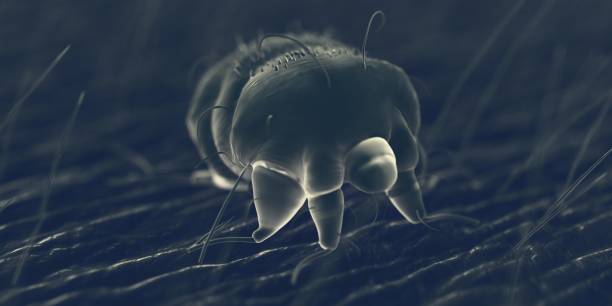
Scabies is a contagious, intensely itchy skin condition caused by an infestation of the itch mite called Sarcoptes scabiei, that spreads quickly through close physical contact in a family, school or nursing home.... Read More | Share it now!
Typhoid fever is a life-threatening infection caused by the bacterium Salmonella Typhi. It is usually spread through contaminated food water. Once Salmonella Typhi bacteria are eaten or drunk, they multiply and spread into the bloodstream.... Read More | Share it now!
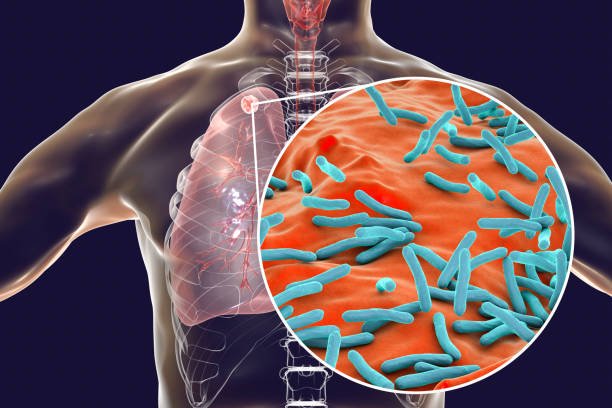
Tuberculosis is a potentially serious infectious bacterial disease that mainly affect the lungs.
The bacteria that cause TB are spread when an infected person coughs or sneezes.... Read More | Share it now!
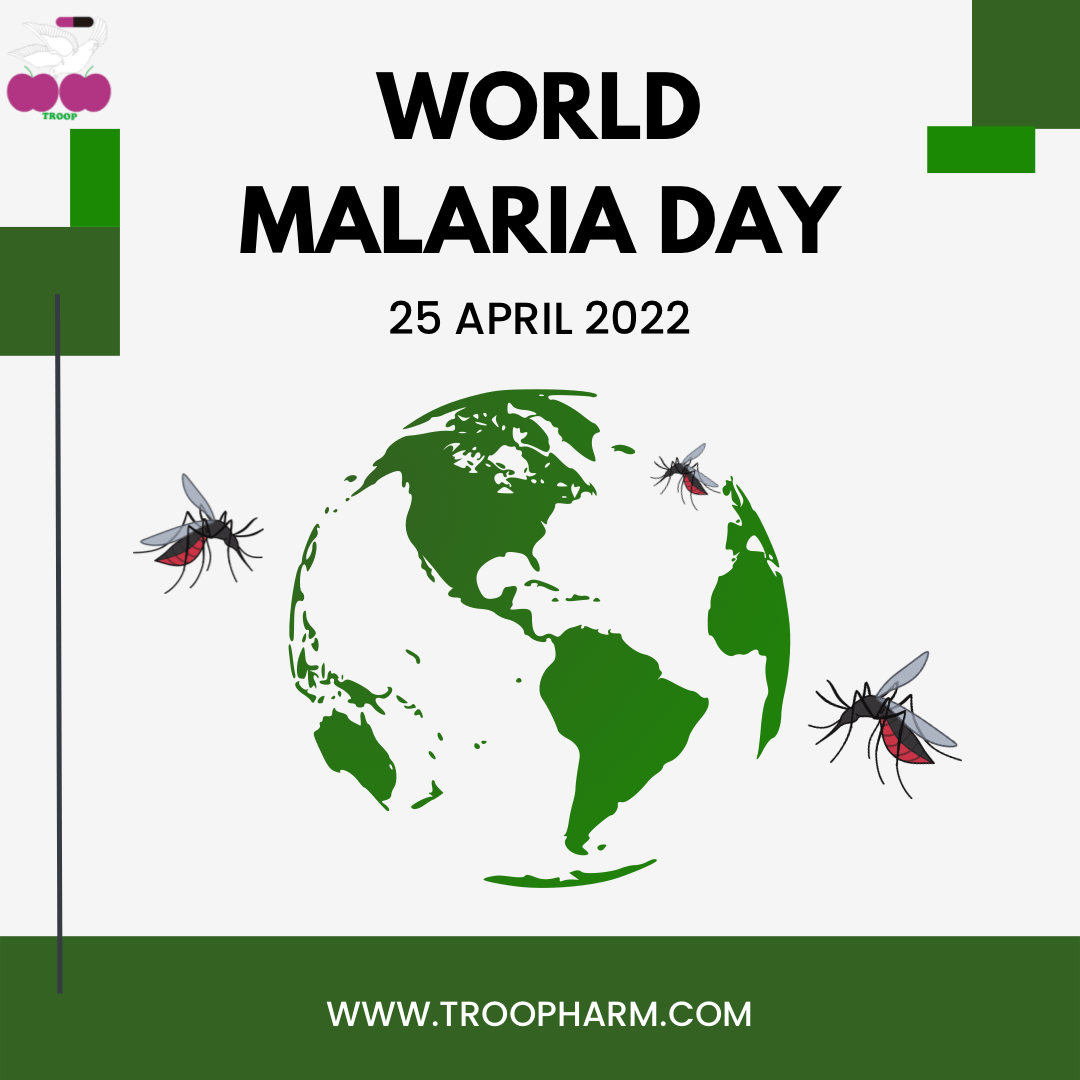
Malaria is a life-threatening disease. It’s typically transmitted through the bite of an infected Female Anopheles mosquito.
Infected mosquitoes carry the Plasmodium parasite, When this mosquito bites you, the parasite is released into your bloodstream.
Once the parasites are inside your body, they travel to the liver, where they mature. After several days, the mature parasites enter the bloodstream and begin to infect red blood cells.
Within 48 to 72 hours, the parasites inside the red blood cells multiply, causing the infected cells to burst open.
CAUSES OF MALARIA
Malaria can occur if a mosquito infected with the Plasmodium parasite bites you.
There are four kinds of malaria parasites that can infect humans:
?Plasmodium vivax
?P. ovale
?P. malariae
?P. falciparum: causes a more severe form of the disease and those who contract this form of malaria have a higher risk of death. An infected mother can also pass the disease to her baby at birth. This is known as congenital malaria.
Malaria is transmitted by blood, so it can also be transmitted through:
?an organ transplant
?a transfusion
?use of shared needles or syringes
The parasites continue to infect red blood cells, resulting in symptoms that occur in cycles that last two to three days at a time.
SYMPTOMS OF MALARIA
?shaking chills that can range from moderate to severe
?high fever
?profuse sweating
?headache
?nausea
?vomiting
?abdominal pain
?diarrhea
?anemia
?muscle pain
?convulsions
?coma
?bloody stools
TREATMENT
Antimalarial drugs work by killing the parasite present in the affected red blood cells.
There are several antimalarial drugs that differ in their structure with each working uniquely to kill the parasite.
?Artemether/lumefantrine: (Coartem) Inhibits nucleic acid and protein synthesis and the parasite through endoperoxide or possibly by inhibiting beta-hematin formation.
?Artesunate: Contains endoperoxide bridge activated by heme iron and leads to oxidative stress; it inhibits protein and nucleic acid synthesis and ultrastructural changes and reduces parasite growth and survival.
?Atovaquone: Inhibits the electron transport chain at cytochrome bc1 complex and collapses parasite mitochondrial membrane in Plasmodium.
?Atovaquone/proguanil: Disrupts electron transport and collapses the mitochondria, whereas proguanil inhibits enzyme dihydrofolate reductase essential for reproduction of the parasite.
?Chloroquine: Acts against erythrocytic forms of Plasmodium; however, the exact mechanism of action is unknown.
?Hydroxychloroquine sulfate: Exact action against Plasmodium is unknown. As it is a weak base, it may affect acid vesicles of the parasite and inhibit polymerization of heme. It may also inhibit other essential enzymes.
?Mefloquine: Structural analog of quinine; although its exact mechanism is unknown, it kills schizonts in the blood. This may increase intravesicular pH in parasites.
?Pyrimethamine: Folic acid antagonist, selectively inhibiting plasmodial form of dihydrofolate reductase enzyme and reducing the production of folic acid required for nucleic acid synthesis in the parasite.
?Quinidine: Builds up in the food vacuole of the parasite and forms a complex with heme and starves the Plasmodium to death.
?Quinine: Although the mechanism of action of this drug is unknown; quinine may disrupt Plasmodium DNA transcription/replication and interferes with the digestion of hemoglobin. This leads to starvation and death of the parasite.
PREVENTION OF MALARIA
?being aware of the risk
?preventing mosquito bites, for example, by using mosquito net, insect repellant and covering the arms and legs
?taking antimalarial tablets when traveling to an area where malaria occurs
?getting a prompt diagnosis and treatment if someone thinks they may have the disease
?administering the vaccine to children who live in places where malaria is endemic
?using a LONG LASTING INSECTICIDE TREATED NET
We at Troop Pharmaceuticals Ltd, have our Long Lasting Insecticide Treated Nets available in various sizes from the smallest bed to the king sized bed.
If mosquitoes trouble you at night, you should seriously think about using our mosquito net. It is effective in keeping mosquitoes away and it’s safe!... Read More | Share it now!
To provide the best experiences, we use technologies like cookies to store and/or access device information. Consenting to these technologies will allow us to process data such as browsing behavior or unique IDs on this site. Not consenting or withdrawing consent, may adversely affect certain features and functions.
Functional
Always active
The technical storage or access is strictly necessary for the legitimate purpose of enabling the use of a specific service explicitly requested by the subscriber or user, or for the sole purpose of carrying out the transmission of a communication over an electronic communications network.
Preferences
The technical storage or access is necessary for the legitimate purpose of storing preferences that are not requested by the subscriber or user.
Statistics
The technical storage or access that is used exclusively for statistical purposes.The technical storage or access that is used exclusively for anonymous statistical purposes. Without a subpoena, voluntary compliance on the part of your Internet Service Provider, or additional records from a third party, information stored or retrieved for this purpose alone cannot usually be used to identify you.
Marketing
The technical storage or access is required to create user profiles to send advertising, or to track the user on a website or across several websites for similar marketing purposes.