Arthritis

Arthritis is an acute or chronic inflammation of the joint but the term is used to describe around 200 conditions that affect joints, the tissues that surround the joint, and other connective tissue. It is a rheumatic condition. Arthritis is more common among adults aged 65 years or older, but it can affect people of all ages, including children.
TYPES 
The most common form of arthritis include:
Osteoarthritis
More people have this condition than any other form of arthritis. It’s the “wear and tear” that happens when your joints are overused. It usually happens with age, but it can also come from joint injuries or obesity, which puts extra stress on your joints.
Joints that bear weight like your knees, hips, feet, and spine are the most common places it affects. It often comes on gradually over months or years. It makes the affected joint hurt. But you don’t feel sick or have the fatigue that comes with some other types of arthritis.
What happens?
You lose your body’s shock absorber. Cartilage, the slippery material that covers the ends of bones, gradually breaks down.
The damaged cartilage makes movement painful.
Symptoms
Depends on which joint or joints are affected. You may have:
• Deep, aching pain
• Trouble dressing, combing your hair, gripping things, bending over, squatting, or climbing stairs, depending on which joints are involved
• Morning stiffness that typically lasts less than 30 minutes
• Pain when walking
• Stiffness after resting
Your joint may be:
• Warm to the touch
• Swollen and harder to move
• Unable to move through a full range of motion.
Rheumatoid Arthritis (RA)
RA is an autoimmune disease. That means the immune system attacks parts of the body, especially the joints. That leads to inflammation, which can cause severe joint damage if you don’t treat it. About 1 out of every 5 people who have rheumatoid arthritis get lumps on their skin called rheumatoid nodules. These often form over joint areas that receive pressure, such as over knuckles, elbows, or heels.
What happens?
Some experts believe the immune system becomes “confused” after an infection with a bacteria or virus and starts to attack your joints. This battle can spread to other areas of the body.
Symptoms
Can come on gradually or start suddenly. They’re often more severe than with osteoarthritis.
The most common include:
• Pain, stiffness, and swelling in your hands, wrists, elbows, shoulders, knees, ankles, feet, jaw, and neck.
• Rheumatoid arthritis usually affects multiple joints; more than one swollen joint. Usually, it’s small joints in your wrists, hands, or feet.
• Morning stiffness than can last for hours or even most of the day. You may also feel fatigued and notice that your appetite is down and you’ve lost weight.
Psoriatic Arthritis
What is it?
People with this condition have inflammation of the skin (psoriasis) and joints (arthritis).
Psoriasis causes patchy, raised, red and white areas of inflamed skin with scales. It usually affects the tips of the elbows and knees, the scalp, the navel, and skin around the genital areas or anus.
What happens?
This type of arthritis usually starts between ages 30 and 50, but it can start as early as childhood. It’s equally common among men and women. The skin disease (psoriasis) usually shows up first.
Symptoms:
• Swelling of the fingers and toes.
• People who have it often have fingernails that are pitted or discolored, too.
Sometimes it can affect the spine.
Gout
What is it?
A buildup of uric acid crystals in a joint. Most of the time, it’s your big toe or another part of your foot.
Gout results from one of three things:
• Your body is making more uric acid.
• Your kidneys can’t process the uric acid your body makes.
• You’re eating too many foods that raise uric acid levels.
Symptoms
• Intense joint pain, probably in the big toe, but could also be in your ankles, knees, elbows, wrists, or fingers.
• Discomfort: Even after the sharp pain goes away, your joint will still hurt.
• Inflammation and redness: The joint will be red, swollen, and tender.
TREATMENT 
A range of medications and lifestyle strategies can help treat arthritis and protect joints from further damage.
Medication
Non-inflammatory types of arthritis, such as osteoarthritis, are  often treated with pain-reducing medications, physical activity, weight loss if the person is overweight, and self-management education.
Medications will depend on the type of arthritis. Commonly used drugs include:
*Analgesics: These reduce pain, but have no effect on inflammation. Examples include acetaminophen (Tylenol), tramadol (Ultram) and narcotics containing oxycodone (Percocet, Oxycontin) or hydrocodone (Vicodin, Lortab).
*Non-steroidal anti-inflammatory drugs (NSAIDs): These reduce both reduce both pain and inflammation. NSAIDs include ibuprofen (Advil, Motrin IB) and naproxen sodium (Aleve). Some NSAIDs are available as creams, gels or patches which can be applied to specific joints.
*Counterirritants: Some creams and ointments contain menthol or capsaicin, the ingredient that makes hot peppers spicy. Rubbing these on the skin over a painful joint modulate pain signals from the joint and lessen pain.
CONCLUSION
Treatment for arthritis aims to control pain, minimize joint damage, and improve or maintain function and quality of life.
Treatment might involve: Medications, physical or occupational therapy, splints or joint assistive aids, patient education and support, weight loss, surgery, including joint replacement.
Physical examination, antibody blood  tests, full blood count are used to diagnose arthritis.
Written by: Chinonye Machie
... Read More | Share it now!

Allergy

An “allergic reaction” is the way your body responds to the allergen. A chain of events occur that result in an allergic reaction.
If you are prone to allergies, the first time you’re exposed to a specific allergen (such as pollen), your body responds by producing allergic (IgE) antibodies. The job of these antibodies is to find the allergens and help remove them from your system. As a result, a chemical called histamine is released and causes symptoms of allergies.
You can be allergic to a wide variety of substances – including pollen, animal dander, mold and dust mites.
Pollen
Seasonal allergic rhinitis, or hay fever, is an allergic response to pollen. It causes inflammation and swelling of the lining of your nose and of the protective tissue of your eyes (conjunctiva).
Symptoms include sneezing, congestion (feeling stuffy), and itchy, watery eyes, nose and mouth. Treatment options include over-the-counter and prescription oral antihistamines, anti-leukotrienes, nasal steroids, nasal antihistamines, and nasal cromolyn. In some people, allergic asthma symptoms (wheezing, shortness of breath, coughing, and/ or chest tightness) can be caused by exposure to pollen.
Your symptoms can be reduced by avoiding pollen. Stay indoors when pollen counts are high, close your windows, and use air conditioning. Ask your healthcare provider about immunotherapy (“allergy shots”) to treat pollen allergy.
Dust mites
Dust mites are tiny organisms that live in dust and in the fibers of household objects, such as pillows, mattresses, carpet, and upholstery. Dust mites grow in warm, humid areas.
The symptoms of dust mite allergy are similar to those of pollen allergy. To help manage dust mite allergies, try using dust mite encasements (airtight plastic/polyurethane covers) over pillows, mattresses, and box springs. Also, remove carpet, or vacuum frequently with a high-efficiency filter vacuum cleaner. Treatment may include medications to control your nasal/eye and chest symptoms. Immunotherapy may be recommended if your symptoms are not adequately controlled with avoidance methods and medications.
Molds
Molds are tiny fungi (like Penicillium) with spores that float in the air like pollen. Mold is a common trigger for allergies. Mold can be found indoors in damp areas, such as the basement, kitchen, or bathroom, as well as outdoors in grass, leaf piles, hay, mulch or under mushrooms. Mold spores reach a peak during hot, humid weather.
Treatment may include medications to control your nasal/eye and chest symptoms. Immunotherapy may be recommended if your symptoms are not adequately controlled with avoidance and medications.
Animal dander
Allergic reactions can be caused by the proteins secreted by sweat glands in an animal’s skin, which are shed in dander, and by the proteins in an animal’s saliva. Avoidance measures don’t work as well as simply removing the pet from your home. However, because many people are reluctant to do this, second-best measures include keeping your pet out of your bedroom, using air cleaners with HEPA filtration and washing your pet (cat or dog) frequently.
Treatment may include medications to control your nasal/eye and chest symptoms. Immunotherapy may be recommended if your symptoms are not adequately controlled with avoidance methods and medications.
Latex
Some people develop a latex allergy after repeated contact with latex. Rubber gloves, such as those used in surgery or home cleaning, are a major source for causing this type of reaction. Skin rash, hives, eye tearing and irritation, wheezing and itching of the skin may occur if you have a latex allergy.
Allergic reactions to latex can be mild, such as skin redness and itching. More severe reactions can occur if your mucosal membranes are exposed, such as during an operation or a dental or gynecologic exam.
Treatment of latex reactions begins by removing the offending latex product. If you have latex allergy, it is important for you to wear a Medic Alert® bracelet and carry an emergency epinephrine kit. All procedures should be carried out in a “latex-safe” fashion. There is no cure for latex allergy, so the best treatment for this condition is prevention and avoidance.
Certain foods
Food allergies develop when your body develops a specific antibody to a specific food. An allergic reaction occurs within minutes of eating the food, and symptoms can be severe. In adults, the most common food allergies are shellfish, peanuts and tree nuts. In children, they include milk, egg, soy, wheat, shellfish, peanuts and tree nuts.
If you have a food allergy, your symptoms include itching, hives, nausea, vomiting, diarrhea, breathing difficulties and swelling around your mouth.
It is extremely important to avoid the foods that cause allergy symptoms. If you (or your child) have a food allergy, your doctor may prescribe injectable epinephrine (adrenaline) for you to carry at all times. This is needed in case you accidentally eat foods that cause allergies. There are new therapies for peanut allergies called oral immunotherapy.
Insect venom (stings)
If you get a bee sting, a normal symptom includes pain, swelling and redness around the sting site. A large, local reaction includes swelling that extends beyond the sting site. For example, if you are stung on the ankle, you may see swelling in your leg.
The most serious reaction to an insect sting is an allergic one, which needs immediate medical attention. Symptoms of an allergic reaction to an insect sting include:
– Difficulty breathing.
– Generalized (widespread) hives that appear as a red, itchy rash that spreads to areas other than the area that was stung.
– Swelling of your face, throat or mouth tissue.
– Wheezing or difficulty swallowing.
– Restlessness and anxiety.
– Rapid pulse.
– Dizziness or a sharp drop in your blood pressure.
If you have a reaction like this, a re-sting can cause a serious reaction that can be life-threatening.
An allergic reaction is treated with epinephrine (adrenaline). If you’ve had an allergic reaction to bee stings, see a board-certified allergy/immunologist to get a skin and/or blood test to confirm your allergy to bee venom. Venom immunotherapy is  recommended if venom allergy is confirmed. This will help reduce the possibility that a re-sting will cause a serious reaction.
Symptoms of allergy
Allergy symptoms are classified as mild, moderate or severe:
Mild reactions include local symptoms (affecting a specific area of your body) such as a rash or hives, itchiness, watery/red eyes, hay fever and runny nose. Mild reactions do not spread to other parts of your body.
Moderate reactions include symptoms that spread to other parts of your body. Symptoms may include itchiness, hives, and/or swelling and trouble breathing.
A severe allergic reaction, known as anaphylaxis, is a rare, life-threatening emergency in which your body’s response to the allergen is sudden and affects the whole body. Anaphylaxis may begin with severe itching of your eyes or face. Within minutes, more serious symptoms appear, including throat swelling (which could cause problems with swallowing and breathing), abdominal pain, cramps, vomiting, diarrhea, hives and swelling (angioedema). You may also have mental confusion or dizziness, since anaphylaxis may cause a drop in blood pressure.
Natural ways of treating Allergies 
Honey
Although there’s no scientific evidence to prove it, a popular theory suggests eating locally produced honey. According to the theory, you will lower your allergic reaction over time to the pollen that the bees collect in your area to make their honey.
Vitamin C
Practitioners of natural medication suggest taking 2,000 milligrams of vitamin C daily to reduce histamine levels.
Peppermint essential oil
A 1998 study showed that peppermint oil treatment had enough anti-inflammatory effects that reduced the symptoms of bronchial asthma and allergic rhinitis to warrant clinical trials. Essential oils can be diffused into the air but should be diluted in a carrier oil if applied topically.
Eucalyptus essential oil
Advocates of natural healing suggest using eucalyptus oil as an antimicrobial agent by adding it to each load of wash during allergy season.
Frankincense essential oil
Based on the results of a 2016 study, frankincense oil may help against perennial allergic rhinitis. You can dilute it in a carrier oil and use behind your ears or use inhalation by diffusing it into the air.
Written by: Samuel Sobiye
... Read More | Share it now!

Gingivitis

Gingivitis is inflammation of the gums (gingiva) surrounding the teeth. Gingivitis affects a significant portion of the population and is the most common form of periodontal diseases (diseases of the tissues surrounding the teeth). Chronic gingivitis may lead to receding gums and can be a precursor of periodontitis. Gingivitis is a bacterial infection of the gums.
For gingivitis to develop, plaque must accumulate in the areas between the teeth. This plaque contains large numbers of bacteria thought to be responsible for gingivitis. But it is not simply plaque that causes gingivitis. Almost everyone has plaque on their teeth, but gingivitis is far less common.
In certain instances, an individual may have an underlying illness or condition that renders their immune system susceptible to gingivitis. For example, people with diabetes and other immune system diseases (such as HIV) have a weaker ability to fight bacteria invading the gums. People who smoke, chew tobacco, or have a substance abuse problem are also predisposed to develop gingivitis.
Overconsumption of alcohol can lead to gingivitis.
Sometimes hormonal changes in the body during pregnancy, puberty, and steroid therapy leave the gums vulnerable to bacterial infection.
Local factors, such as crowded teeth and poor fitting or altered tooth anatomy due to dental work increase an individual’s susceptibility to gingivitis.
A number of medications used for seizures, high blood pressure, and organ transplants have been shown to cause an enlargement of the gingiva.
How Do You Treat Gingivitis?
For simple gingivitis, work with a dentist. A concerted effort involving good home dental hygiene, including regular and correct brushing and flossing, and regular dental visits should be all that is required to treat and prevent gingivitis. Gingivitis can usually be managed at home with good dental hygiene.
If gingivitis continues despite the effort to prevent it, contact a doctor to investigate the possibility of an underlying illness. If there are other conditions that seem to be coinciding with the signs and symptoms of gingivitis, seek medical attention. For example, chronic gingivitis and periodontitis are felt by medical scientists to be risk factors for the development of rheumatoid arthritis.
A complication of gingivitis is a so-called desquamative condition of the gums, in which ulcers, blistering, and sloughing affect the gums. This can be a sign of lichen planus, mucous membrane pemphigoid (MMP), and pemphigus vulgaris. These conditions often require a consultation and usually a biopsy from a periodontist or oral pathologist.
What is gum disease (gingivitis)?
Gingivitis, the earliest stage of gum disease, is inflammation of the tissues surrounding and supporting the teeth and is most commonly a result of poor dental hygiene. Gingivitis is a very common condition and varies widely in severity. It is characterized by red, swollen gums that bleed easily when teeth are brushed or flossed. Gingivitis is not the same thing as periodontitis. Gingivitis always precedes and acts as a warning sign for the more serious condition of periodontitis.
Gingivitis starts when food debris mixes with saliva and bacteria which, in turn, forms dental plaque that sticks to the surfaces of teeth. If dental plaque isn’t removed by brushing with toothpaste and flossing, it can become mineralized and form tartar, or calculus. Tartar is very hard, and only a professional dental cleaning can remove it.
Both dental plaque and tartar are filled with harmful bacteria, and if they aren’t removed from teeth, they will begin to irritate the gums and cause gingivitis. If left untreated, gingivitis will often extend from the gums to the bone and lead to periodontitis.
Gums that bleed easily during flossing or brushing is a sign of gum disease (gingivitis).
What is the difference between gingivitis and periodontitis?
While gingivitis is inflammation of the gums around the teeth, periodontitis occurs when the bone below the gums gets inflamed or infected. Periodontitis derives from the word periodontal, which means “around the tooth” and refers to the structures that surround and support teeth such as gum and bone. Periodontology is the study of the supporting structures of the teeth.
When the underlying bone gets infected, the gums will start to recede away from the teeth and form deep gum pockets. This is called attachment loss. These pockets readily collect plaque and bacteria. Because these pockets are very difficult to keep clean, more bone loss occurs. As periodontal disease progresses into later stages (early, moderate, and advanced) and more bone tissue is lost, the gum pockets are deeper and the teeth may eventually become loose and fall out.
What causes gum disease?
Improper oral hygiene that allows bacteria in plaque and calculus to remain on the teeth and infect the gums is the primary cause of gum disease. But there are other factors that increase the risk of developing gingivitis. Here are some of the most common risk factors:
– Smoking or chewing tobacco prevents the gum tissue from being able to heal.
– Crooked, rotated, or overlapping teeth create more areas for plaque and calculus to accumulate and are harder to keep clean.
– Hormonal changes in puberty, pregnancy, and menopause typically correlate with a rise in gingivitis. The increase in hormones causes the blood vessels in the gums to be more susceptible to bacterial and chemical attack. At puberty, the prevalence of gingivitis ranges between 70%-90%.
– Cancer and cancer treatment can make a person more susceptible to infection and increase the risk of gum disease.
– Alcohol negatively affects oral defense mechanisms.
– Stress impairs the body’s immune response to bacterial invasion.
– Mouth breathing can be harsh on the gums when they aren’t protected by the lips, causing chronic irritation and inflammation.
– Poor nutrition, such as a diet high in sugar and carbohydrates and low in water intake, will increase the formation of plaque. Also, a deficiency of important nutrients such as vitamin C will impair healing.
– Diabetes mellitus impairs circulation and the gums ability to heal.
– Medications such as antiseizure medications increase the risk for gum disease.
– Infrequent or no dental care
– Poor saliva production
Treatment of Gingivitis
Removing the source of the infection is primarily how simple gingivitis is treated. Home treatment is key. Ultimately, these home remedies can lead to a cure for gingivitis.
– By tooth brushing regularly with a soft-bristled or electric toothbrush and fluoride toothpaste approved by dentists, plaque buildup can be kept to a minimum. – The presence of triclosan combined with fluoride has proven to significantly reduce the formation of plaque on the teeth.
– Flossing once per day is another means of removing plaque in between teeth and other areas hard to reach.
– Regular checkups with a dentist are also important. A dentist is able to remove plaque and calculus (hardened plaque) that is too dense to be removed by a toothbrush or dental floss.
– Once a dentist removes plaque, regular brushing and flossing will minimize plaque formation. Even with good dental hygiene, plaque will begin to accumulate again.
– Correct dental defects, such as over contoured or poorly fitting fillings, crowns, and other restorations.
– Avoid smoking.
– Limit sugar consumption.
– Drink plenty of water.
Severe gingivitis may require antibiotics like azithromycin and consultation with a physician. Antibiotics are medications used to help the body’s immune system fight bacterial infection and have been shown to reduce plaque. By reducing plaque, bacteria can be kept to a level manageable by the human immune system. Taking antibiotics is not without risks and should only be done after consultation with a dentist or doctor.
Some studies have shown brushing with a solution made of baking soda and peroxide will reduce the bacteria that cause gingivitis.
Mouthwashes that contain essential oils have shown the ability to reduce plaque formation and treat gingivitis when used in conjunction with professional cleanings and daily brushing. Specific ingredients include thymol, eucalyptol, methyl salicylate, and menthol.
Oil pulling is the practice of  swishing fractionated coconut oil for 20-30 minutes, then spitting it out and brushing your teeth. This will reduce inflammation and bacterial contamination of your gums.
Some have used the main ingredient in aspirin, salicylic acid, to fight gum disease; but this should be avoided as it often can lead to burns on the gums.
Written by: Ebere Chienjine
... Read More | Share it now!

Beet Soup (Borscht)

This Ukrainian borscht soup is a traditional beet soup that is enjoyed by locals all over Eastern Europe (and many in rest of the world too!). Made with red beets and plenty of vegetables, this vegan soup is nutritious, flavorful, and delicious. It’s so easy to make in one pot on the stove with minimal prep work involved — and even easier in an Instant Pot. Plus, beet soup is easy to make ahead and freezes really well so you can meal prep lunches and dinners for days or months to come.
  • 4 medium beetscut into 1-inch cubes
  • 3 cups purple cabbagechopped
  • 2 medium carrotsshredded
  • 1 medium onion, finely chopped
  • 1 (16 ounce) can diced tomatoes
  • 4 cups vegetable broth (or beef broth)
  • 1 tablespoon fresh parsleyfinely chopped
  • ½ teaspoon salt (or to taste)
  • ¼ teaspoon ground black pepper (or to taste)
  • sour cream (optional, for serving)

DIRECTIONS... Read More | Share it now!

Pasta Bake With Sausage

Pasta bake with sausage (baked ziti) is basically a lazy day lasagna with layers of pasta tossed in a rich tomato meat sauce packed with Italian sausage, layered with lots of gooey golden mozzarella cheese, and baked to perfection. It’s an easy and delicious casserole dinner to make any day of the week. Plus, you can even make it ahead and freeze for another day.... Read More | Share it now!

Sexually Transmitted Diseases (STDs)

Sexually transmitted diseases (STDs), or sexually transmitted infections (STIs), are infections that are passed from one person to another through sexual contact. The contact is usually vaginal, oral, or anal sex. But sometimes they can spread through other intimate physical contact. This is because some STDs, like herpes and HPV, are spread by skin-to-skin contact.
Causes of Sexually Transmitted Diseases (STDs)
STDs can be caused by bacteria, viruses, and parasites.
Types of STDs
Some common types of STDs include:
 – Chlamydia
It is caused by bacteria called Chlamydia trachomatis. It can infect both men and women. Women can get chlamydia in the cervix, rectum, or throat. Men can get chlamydia in the urethra (inside the penis), rectum, or throat.
 How do you get chlamydia?
You can get chlamydia during oral, vaginal, or anal sex with someone who has the infection. A woman can also pass chlamydia to her baby during childbirth. Chlamydia is more common in young people, especially young women.
What are the symptoms of chlamydia?
Symptoms in women include:
• Abnormal vaginal discharge, which may have a strong smell
• A burning sensation when urinating
• Pain during intercourse
People at higher risk should get checked for chlamydia every year:
• Sexually active women 25 and younger
• Older women who have new or multiple sex partners, or a sex partner who has a sexually transmitted disease
• Men who have sex with men (MSM)
What other problems can chlamydia cause?
In women, an untreated infection can spread to your uterus and fallopian tubes, causing pelvic inflammatory disease (PID). PID can cause permanent damage to your reproductive system. This can lead to long-term pelvic pain, infertility, and ectopic pregnancy. Women who have had chlamydia infections more than once are at higher risk of serious reproductive health complications.
Babies born to infected mothers can get eye infections and pneumonia from chlamydia. It may also make it more likely for your baby to be born too early.
Untreated chlamydia may also increase your chances of getting or giving HIV/AIDS
– Genital herpes
Genital herpes is a sexually transmitted disease (STD) caused by a herpes simplex virus (HSV). It can cause sores on your genital or rectal area, buttocks, and thighs. The virus can spread even when sores are not present. Mothers can also infect their babies during childbirth.
Symptoms of herpes are called outbreaks. You usually get sores near the area where the virus has entered the body. The sores are blisters which break and become painful, and then heal. virus can be more serious in newborn babies or in people with weak immune systems. Repeat outbreaks are common, especially during the first year. Over time, you get them less often and the symptoms become milder. The virus stays in your body for life.
Correct usage of latex condoms can reduce, but not eliminate, the risk of catching or spreading herpes. If your or your partner is allergic to latex, you can use polyurethane condoms. The most reliable way to avoid infection is to not have anal, vaginal, or oral sex.
 – Gonorrhea
The bacteria that cause gonorrhea can infect the genital tract, mouth, or anus. You can get gonorrhea during vaginal, oral, or anal sex with an infected partner. A pregnant woman can pass it to her baby during childbirth.
In women, the early symptoms of gonorrhea often are mild. Later, it can cause bleeding between periods, pain when urinating, and increased discharge from the vagina. If untreated, it can lead to pelvic inflammatory disease, which causes problems with pregnancy and infertility.
In men, gonorrhea can cause pain when urinating and discharge from the penis. If untreated, it can cause problems with the prostate and testicles.
 – HPV
They can also spread through other intimate, skin-to-skin contact. Some of these types can cause cancer.
There are two categories of sexually transmitted HPV. Low-risk HPV can cause warts on or around your genitals, anus, mouth, or throat. High-risk HPV can cause various cancers: Cervical cancer, anal cancer, some types of oral and throat cancer, vulvar cancer, vaginal cancer, penile cancer.
Others
– Syphilis
– Trichomoniasis
– HIV/AIDS
What are the treatments for sexually transmitted diseases (STDs)?
Antibiotics can treat STDs caused by bacteria or parasites. There is no cure for STDs caused by viruses, but medicines can often help with the symptoms and lower your risk of spreading the infection.
Can sexually transmitted diseases (STDs) be prevented?
Women can try to keep themselves STDs free in several ways:
• Avoid exposure to infected bodily fluids. This may mean abstaining from sex or avoiding transfer of bodily fluids in other ways like using barrier devices like condoms, or not sharing needles. Correct usage of latex condoms greatly reduces, but does not completely eliminate, the risk of catching or spreading STDs.
• Another option is mutual monogamy between people who have no prior sexual experience or who are STD free. Although this arrangement does not eliminate all risks, it can significantly limit exposure to STDs/Is.
• Vaccines:There are vaccines to prevent HPV and hepatitis B.
The most reliable way to avoid infection is abstinence for single persons.


... Read More | Share it now!
Uterine Fibroid

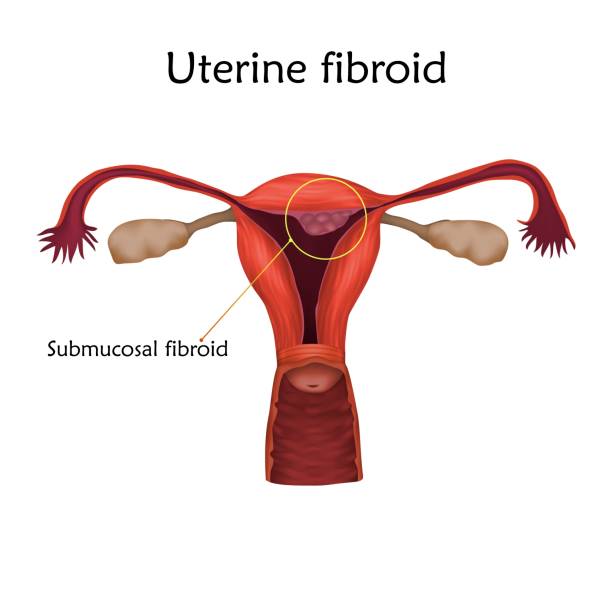
Fibroids are tumors made of smooth muscle cells and fibrous connective tissue. They develop in the uterus. It is estimated that 70 to 80 percent of women will develop fibroids in their lifetime, however, not everyone will develop symptoms or require treatment.... Read More | Share it now!

Birth Control

Anticonception, and fertility control, is a method or device used to prevent pregnancy. Birth control has been used since ancient times. There are many different methods of birth control including condoms, IUDs, birth control pills, the rhythm method, vasectomy, and tubal ligation.... Read More | Share it now!

Add to cart